Should you hire a marketing agency or a marketing person? [2020]

Read more: articulatemarketing.com

Read more: articulatemarketing.com

The term brand book often brings people out in a hot sweat. The thought of having to compile a ‘bible’ of assets for your B2B tech company to use can often feel like a daunting task.

Read more: articulatemarketing.com

Posted by MiriamEllis

Image credit: Robert Couse-Baker
Before all else, gratitude to every delivery person, whether in-house or third party, doing the essential work of keeping households safer and supplied in these times. I’m dedicating today’s column to the manager of a nearby Sprouts grocery store who personally drove my order to my door when an Instacart driver just couldn’t get the job done.
If your business or clients are weighing whether to fulfill delivery in-house or partner with a third party, my small experience is an apt footnote to the huge, emergent debate over last-mile fulfillment options. I’d searched all over town for scarce potatoes, finally arranging by phone with the local Sprouts market to hold their last two bags for me one morning, and texting the Instacart driver about where the spuds were being held. Next:

For whatever reason, the driver chose not to retrieve them, claiming the manager told them there was nothing being held for me. Not knowing whom to believe, I phoned the manager who confirmed the driver had never asked for the potatoes and, to my astonishment, told me he was going to bring the groceries to my house right away, himself.
“I feel really bad about this,” he said. “Sometimes Instacart’s drivers just go so fast, they don’t do a good job. It’s really important to me that my customers get good service and feel good about our store, especially with this hard time we’re all going through.”
And that’s the crux of what has suddenly become a pressing issue for millions of local businesses, as well as all local search marketers who draw a through-line between reputation and revenue.
Today, we’ll:
Stack up the pros and cons of in-house vs. third-party deliveryInterview a software engineer who has been on the ground with this evolving narrative of critical choicesExcerpt the revealing comments of a former head of development at Grubhub. Plan SEO and marketing strategy for competing with corporate deliveryExamine the welfare of and best options for driversHelp your brand or clients make a better-informed delivery decision A piece of the pie
On March 15, 2020, downloads of Instacart’s app shot up 218% over their normal daily average. Restaurants, grocers, and a wide variety of retailers have spent the past two months forging paths from shelves to customers’ front doors to meet demand. While initial implementation may have been a scramble for the state of emergency, we’re getting to the place where it’s time to talk long-term plans.
I recently surveyed a group of several hundred local business owners and local search marketers to ask whether they intend to permanently offer home delivery. Of those who answered “yes,” I asked whether they would be staffing up an in-house delivery fleet or outsourcing to a third party, like Instacart, or Postmates, GrubHub, or Uber Eats. I found it amazing that my survey group was split right down the middle:

Clearly, there’s an even divide between brands that expect to manage the entire customer experience from start to finish, and those whose circumstances are causing them to entrust the last mile to a workforce they can’t directly control. I wondered if the 50/50 split represented settled decisions or indecisions and, also, how my pie chart might look a year from today, when all parties have had more time for implementation and analysis.
For now, we’ll start by examining another type of pie with a technician who experienced a pizza company shifting from in-house to third-party delivery.
A tale of cold pizza and ghosting drivers

My friend is a software engineer who worked on last-mile delivery integration for a headlining US pizza startup, and whose anonymized takeaways serve as a stunning cautionary tale. The engineer tells it this way:
“We started with an in-house delivery fleet, with two drivers assigned to each company vehicle and each vehicle servicing a radius of approximately five miles. Delivery times were under fifteen minutes with this setup, and we had a ton of very happy customers. Leadership then decided to outsource delivery to a well-known third party.”
Take note of what happened next.
“Average delivery time shot up to sixty minutes for peak dinner hours, and holidays were especially bad. One Hallowe’en, it was taking three hours for customers to receive their dinnertime pizza because of driver availability. The third party can’t simply add more drivers as they have no control over when drivers sign onto their platform, but with an in-house fleet, you can plan for high demand and increase staffing. And, instead of having an in-house driver waiting with their truck on the premises to take a delivery, you have to wait for the third party to assign a driver (between 5-30 minutes), wait for the driver to arrive (another 5-30 minutes), and then, finally, deliver. You’d sometimes see deliveries assigned to third-party drivers twenty miles away who would end up ghosting because they don’t want to be bothered with the long drive.”
As for technical concerns, the engineer told me:
“Technically, the third-party service was not reliable. I had to deal with a lot of random bugs in their API, as well as constant service interruption, and they had very poor engineering support for their API. This might not be true of all third-party services, of course.”
And, finally, here’s how the engineer summed up the impact of this on customers:
“The third-party delivery fleet wasn’t just inefficient in terms of time, but often, they didn’t have the proper bags to keep the pizzas warm. Customers waiting a long time for cold pizza will obviously lead to dissatisfaction. In-house drivers care more about the product they’re delivering, in my experience. I’m convinced that, given the choice, customers would always prefer restaurants to have in-house delivery staff, but it’s hard to compete nowadays with the big name last-mile platforms. Some brands have taken a very public stance on refusing to work with third parties, and I’d like to see Google and Yelp roll out features to let customers know when businesses have their own delivery staff, because it can make such a difference for the customer.”
As a local SEO, I know that difference for the customer is going to show up in the reviews and word-of-mouth sentiment for any brand, and that, cumulatively, it could equal the brand building, maintaining, or shedding loyalty. Reputation can, quite literally, be the difference between solvency and closure.
Positive press for third-party deliveries

If there are so many potential negatives associated with outsourcing delivery, why do so many successful brands go this route? We’ve looked at some cons, but this shortlist of pros is illuminating:
Third parties have their own, highly-visible, well-ranked directories of businesses they service. These websites are hard to compete with if you’re not included in them. Seen in a certain light, third parties can bring a business new visibility and new customers. More on this ahead.Third parties have ordering technology, logistics, drivers and either proprietary or driver-owned vehicles all ready to go, doing much of the heavy lifting. Not having to pay for a fleet of vehicles or directly pay the wages of drivers can impact brands’ initial, fixed, and ongoing costs. Concerns about insuring these drivers also belong to the third party, not the brand.Third-party reliance means the grocer can focus on groceries and the chef can focus on cooking, not delivery. For some brands, the challenge of becoming delivery experts is just too distracting.
Many brands report having a good experience with major third parties. It’s important to read pre-COVID stories like these told by QSR’s Daniel P. Smith about companies that have relied on these providers for multiple years. Consider:
The Buona family found that trying to focus on delivery detracted from the core operations of their 27-location Italian restaurant chain. In 2017, they turned the last mile over to DoorDash and were so pleased with the operation that they’re now also partnering with Uber Eats and Grubhub. Two years ago, the Habit Burger Grill launched a Postmates partnership in Northern California, and were happy enough with the arrangement to expand delivery from all 240 of their locations via Postmates, Doordash, and Uber Eats. Meanwhile, the 40-unit Just Salad chain has been using Grubhub since it launched sixteen years ago and praises their delivery time of under 35 minutes. At the same time, Just Salad also has an in-house delivery fleet. CEO Nick Kenner states that the company would prefer customers to choose the brand’s own delivery service, to “cut out the middleman.”
That last point is absolutely key to this story and to the third-party vs. in-house decision.
Cost issues with the middleman

A narrative amplifying in volume during the public health emergency is that third-party delivery fees simply aren’t sustainable for small businesses. When BBQ restaurant owner Andy Salyards shared his Uber Eats bill with a local news station, I started doing some math.
Salyards made $636.00 (pre-tax) selling 22 dinners.Uber Eats charged him $190.80 to deliver them.Salyards paid Uber Eats 30% of his earnings.
I found averages stating that a driver can typically make 2.5 deliveries per hour, though this depends on geography. Out of respect for the drivers, let’s hypothesize that Salyards is operating in a city that’s passed a $15 minimum wage and that he decides to employ in-house delivery persons.
It would take 8.8 hours for one driver to make 22 deliveries.8.8 hours x $15 an hour = 132.00. Salyards would be paying 20.75% for in-house delivery instead of 30% for third-party fulfillment for the same work in this dynamic. And obviously, where the minimum wage is lower, Salyards costs for in-house delivery would be far less.
On the face of it, in-house fleets look far more profitable than third parties, but here’s what my math doesn’t cover:
Do in-house drivers use their own cars, or does the business have to make a major initial investment in a vehicle fleet? Who pays for gas/electric charging, auto maintenance, and liability insurance?How do you measure out the benefits of marketing your own brand by advertising on your company vehicles, vs. the loss of that opportunity because third-party vehicles don’t display your logo?What is the true cost to reputation, retention, and revenue when a brand loses control of the last mile of the customer experience? Is there an acceptable level of customer dissatisfaction caused by slower delivery times, lack of proper equipment, or ghosting drivers?
Each business has a unique scenario, and all of them will need to find customized answers to all of these questions.
Trust issues with the middleman 
Customer service rules the viability of local businesses, and the best ones labor over every aspect of their operations to get things just right. Handing off the home stretch between the physical locale of the business and the customer’s front door is a phenomenal act of trust, and unfortunately, the local SEO industry has long been documenting the damages of trust misplaced.
To be completely honest, being set down amid Google, Yelp, and some of the major delivery brands, local business owners are gazelles amid a pride of lions. Some of the more infamous accusations against the lions over the past few years have included:
Yelp and Grubhub cited for partnering up to replace restaurants’ listed phone numbers with Grubhub numbers. Google giving prime placement to Doordash on local business listings and telling furious business owners it’s on them to request removal of these unauthorized links.Grubhub’s awkward refutation and subsequent cancellation of the appearance of cybersquatting — i.e. buying up the domain names of its customers. Doordash cited for pickpocketing its drivers’ tipsUber Eats cited for giving no thought to safety inspections and delivering food from unvetted backyard BBQers. Most recently, and perhaps most infamously, Doordash cited for unauthorizedly scraping restaurant website menus and opening the door to bizarre pizza arbitrage.
This last example, published by Ranjan Roy, received hundreds of frustrated comments, but it was the epic statement of Collin Wallace that glued me to my screen and deserves excerpting here:
“I was the former Head of Innovation at Grubhub, so I have seen the truth behind many of these claims first hand. Sadly, I invented a lot of the food delivery technologies that are now being used for evil…COVID-19 is exposing the fact that delivery platforms are not actually in the business of delivery. They are in the business of finance… like payday lenders for restaurants and drivers…
In the case of restaurants, these platforms slowly siphon off your customers and then charge you to have access to them. They are simultaneously selling these same customers to your competitor across the street, but, don’t worry, they are also selling their customers to you.
For drivers, they are banking on a workforce that is willing to mortgage their assets, like cars and time, well below market value, in exchange for money now. They know that most delivery drivers are simply not doing the math…If they did, drivers would realize that they are actually the ones subsidizing the cost of delivery.
Delivery platforms are “hyper-growth” businesses that are trying to grow into a no-growth industry. Food consumption really only grows at the rate of population growth, so if you want to grow faster than that, you have to take market share from someone else. Ideally, you take it from someone weaker, who has less information. In this industry, the delivery platforms have found unsuspecting victims in restaurants and drivers… Restaurants need to realize that they are now running e-commerce businesses and they need to act accordingly. Being proficient on Google, Yelp, Facebook and the dozens of other platforms is no longer optional, it is essential.”
Local SEOs will nod their heads over the need for local Internet proficiency, but it’s Wallace’s summation of the welfare of the drivers that strikes the most discordant note with me for relationships hinging on trust.
The Instacart driver who didn’t bother to bring me my potatoes sincerely worries me, not for my family’s sake, but for theirs. I already knew before reading Collin Wallace’s comments that some gig workers are living in their cars, camping in parking lots, and being forced to choose between safety and money. When you a moment, brace yourself and read Quora threads in which gig drivers are arguing about how little they make. One of my own nieces is a gig worker, and she’s out there today as I write this column, trying to make ends meet and sanitizing her hands every five minutes. I’m worried about her every single day.
There are local business owners who treat their staff like family, and others who don’t. Where trust and your brand’s reputation are involved, a question that deserves to be asked is whether you can trust business partners and models that rely on a desperate workforce. How do you feel about your handcrafted pizza being delivered, not by employees whose wellbeing you directly influence, but by one in four drivers who are hungry enough to be eating the food they’re supposed to deliver?
As we look ahead with hope to a post-COVID marketplace, it’s worth taking the time to reflect on this question and how it relates to the quality of life in the community where you live and serve.
Dignified work for local delivery drivers 
“Please leave it on the walkway. Thank you so much!”
“Okay. You take care!”
“Thank you. Stay safe! Take care!”
This is the socially-distant duet I now sing through my kitchen window several times a week with the essential delivery workforce. While we may not deserve a Grammy, I do feel every driver who has brought water, food, and goods to my family these past few months deserves more than recognition — they deserve a dignified workplace and wage.
If Grubhub’s former head of innovation is troubled by drivers subsidizing delivery costs in exchange for urgently-needed quick money, I am completely convinced that no local community is improved by reliance on an underpaid workforce with few protections, inadequate healthcare in time of illness, or housing insecurity. That’s the thing about seeing life through a local SEO’s lens: everyone is a neighbor, and people working in your city are your friends and family.
I would prefer my niece to find work with a local business with an in-house delivery fleet being paid a living wage. I’d prefer her workforce to have a union, too. This is the advice I would give both as an aunt and as a local SEO, but if you are a driver trying to evaluate your personal decision about where to work, these links are for you:
Here’s a short but good article from Fast Company comparing in-house to third-party realities for drivers. Read up on Instacart gig workers unionizing and Safeway drivers unionizing Read up on gig workers forming the first delivery app unionsCheck out the PayUp initiative organizing for a $15 minimum wage + tips + transparency for gig workers in Washington. Gig Workers Rising is a similar effort in California.
In recent memory, many delivery jobs were filled by teenagers — like my big brother at 16 — with a new driver’s license, a stack of pizzas, and a need for part-time income to purchase disco records and car insurance. Now, it’s mothers, fathers, and grandparents driving those long miles to bring absolute necessities to our doors.
If you work in delivery, my best advice to you is to study what Collin Wallace has said, study the market, and seek jobs with the best pay and best protections. You and your work are essential, and if you plan to work in delivery for the long haul, finding a union job, like the American Postal Workers Union, is likely to offer you the most protections and benefits.
It’s not accurate to state that in-house drivers will automatically do a better job than gig workers for third parties. Many gig workers are going above and beyond to provide excellent service, day-in-day-out. But it’s only the in-house model that enables employers to ensure staff are receiving what they need to support themselves and support the brand. Last year, I did a very quick Twitter poll asking what it is that employees want most:

Employers: keep seeing that through-line between reputation and revenue when weighing the wages and working conditions you feel will make your brand most trusted by customers. Think of me, and my hunt for taters, and my feelings of uncertainty about trusting Instacart again, or any business that’s using them for fulfillment right now.
If you opt for in-house delivery, how will you compete?
While competition will differ from market to market, here’s a very simple schematic of the typical set of Google results I’ve seen in my region for delivery-related queries, broken down into third-party vs. in-house delivery entries:

As referenced above, corporate delivery services have massive, authoritative websites and big ad budgets that allow them to gobble up visibility in Google’s SERPs (search engine results pages). In my schematic of 16 opportunities — which represents an actual SERP in my town for the keyword phrase “hamburger delivery near me” — 10 of the entries are being bought or won by brands like GrubHub, DoorDash, and Postmates.
If your business isn’t listed on the highly-ranked directories published by these services, and you lack a large paid advertising budget, a SERP like this leaves you just six places to compete for the customer’s attention. Here’s a basic three-part framework for how to compete:
1. Build your business for customers
If Collin Wallace is right in casting third parties as payday lenders and in the business of finance, your competitive advantage is to be in the business of customers’ needs. In practical terms, this means:
Analyzing what’s essential to the community you wish to serve.Investing in staffed, always-on lines of communication with customers and vigorously inviting feedback.On-going analysis of all forms of customer sentiment, especially online reviews, as cues for operational improvements.Mastering transforming negative sentiment into positive sentiment.Determining to feed, fight, and flip Google in ways that will benefit your local community. 2. Build the strongest website you can
The usefulness, optimization, and technical quality of your website will all help you compete in both the organic and local SERPs. The more competitive your market, the more you will need to invest in implementing:
Organic on-site SEO On-site local SEOKeyword researchLocal content publication and marketing, including great content about your delivery serviceE-commerce and delivery technologyLocal link building Local competitive analysis (check out the beta of Moz’s Local Market Analytics for pro-level analysis)Technical SEO
Moz’s Beginner’s Guide to SEO and Local Learning Center will get you well on your way to competitive wins. And double down in writing about the superlatives of your delivery service — don’t be shy about explaining exactly why ordering directly from your brand is best for the customer, the business, the delivery staff, and the community.
3. Build the strongest local SERP presence you can
Your ability to publish, distribute, and manage your non-website-based local assets will strongly contribute to your ability to compete in Google’s local search engine results. Depending on your market competition, you’ll need to meet and exceed your competitors’ investments in:
Managing all aspects of your Google Business Profiles, from basic informational fields, to reviews, to Google Posts, menus, Q&A, photos, and more.Getting your other third-party local business listings in good shape with complete and accurate data (a service like Moz Local can help with this). Fighting Google local spam with determination.Staying alert: if a third-party delivery service “mysteriously” appears on your Google listing, take these steps to request removal.
There’s no downplaying the hold corporate delivery websites have on Google’s SERPs, nor the fact that Google has special relationships with some of them that redound to Google’s own financial interests. In competitive markets, it will be no easy task to compete with these brands. Many local businesses may feel that “if you can’t beat them, join them” is the only option to remain operational.
But don’t overlook the powers you do have to compete by dint of running a beloved business and a brilliant search marketing strategy. You could even choose to utilize a third-party service only until you’ve got a large, built-in customer base you can guide to come directly to you for fulfillment in the years ahead.
Summing up third-party vs. in-house delivery risks and benefits
As you evaluate which solution will be the best fit for last-mile operations for your brand, you’ll want to painstakingly chart out the pros and cons of each option. Here’s my simple checklist to get you started, delineating which solution is most likely to afford the benefits we’ve covered today, as well as a few extra points of consideration:

It’s too soon to predict what the sum total of change will be to the whole concept of delivery across all relevant industries. I talked with multiple business owners on St. Patrick’s Day, when California instituted its shelter-in-place order and all of them were hustling to create piecemeal solutions for remaining operational and serving my community. Several months later, brands are in a better position to evaluate consumer feedback and make adjustments to their delivery strategy.
As our risk/benefit chart shows, there are clear pros and cons for in-house vs. third-party implementation. Many brands will take a “best of both worlds” approach, like Just Salads, while hoping more customers come directly to them instead of their outsourcing partner. Other business owners may steer clear of the big delivery brands and bet on a smaller service, like Takeout Central serving North Carolina, or Lodel covering seven states in the American West. And definitely check out this CHOMP restaurant cooperative story over at Localogy.
What we can say with certainty in June of 2020 is that the brands you operate and market have major decisions to make about serving customers in both the best and worst of times. This is crucial work, and the only thing more important in local commerce right now is the significant power brands are suddenly wielding to set standards for how delivery and delivery persons will work. Recognize that power.
We’ve all had enough of experiencing the “worst”, and it’s motivation enough to plan a better future, with consistently excellent service for customers, the building blocks of lucrative reputation for brands, and local communities that deliver fair and dignified livelihoods for valued essential workers.
Sign up for The Moz Top 10, a semimonthly mailer updating you on the top ten hottest pieces of SEO news, tips, and rad links uncovered by the Moz team. Think of it as your exclusive digest of stuff you don’t have time to hunt down but want to read!

Read more: tracking.feedpress.it


The 4 Ps of marketing …
You’’ ve most likely found out about them from a pal, a book, and even at school.
I understand it seems like a dull subject that’’ s sound judgment, however there is more to it than fulfills the eye.
And no, it’’ s not simply for big business … the smaller sized you are, the more crucial for you it is to take advantage of the 4 Ps.
So prior to we dive into it, let’’ s initially break down what they hellip &are;
.What are the 4 Ps of marketing?
The 4 Ps of marketing is a popular principle that sums up the 4 fundamental pillars of any marketing technique: item, promo, location, and rate.
It sounds basic and it actually is (the more difficult part is executing it, which we will enter later).
The concept behind the theory is that if you execute them, you will produce more sales. Unfortunately absolutely nothing is that easy.:/
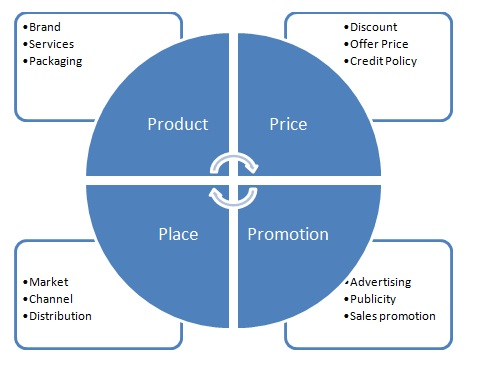
The origin of the idea, likewise referred to as marketing mix , returns to 1960 when McCarthy presented it in his book Basic Marketing: A Managerial Approach.
I understand that’’ s ages back, however it is simply as legitimate today.
.
Let ’ s dive into each P …
.Item.
The item is what the business offers.
It may be an item like a soda in the drink market or gowns in a clothes shop. Or nowadays it might even be software application like Ubersuggest .
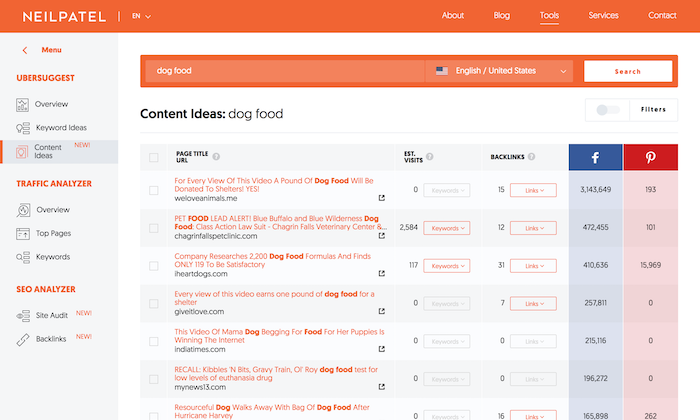
It might likewise be services, such as seeking advice from or a paid speaking gig and even a treatment session.
In short, the item is whatever that is provided to the customer.
In the 4 Ps method, specifying this indicates comprehending what your deal requires in order to differ from rivals and win over clients.
In other words, what makes your item special or so terrific? Due to the fact that if you wear’’ t stick out it ’ s going to betough to grow.
.
For example, you may learn about my item Ubersuggest, however you most likely currently learn about a handful of my rivals?
So what’’ s the huge thing that makes my item stand apart from everybody else?
I put on’’ t concentrate on’functions … I put on ’ t have 100s of reports … rather, I concentrate on functionality. My objective is to make Ubersuggest actually simple to utilize, particularly if you are brand-new to marketing.
On the other hand, my rivals concentrate on advertising agency and truly sophisticated online marketers. I developed something for a various target audience, although I remain in a congested market location.
.How to produce a remarkable item that your clients enjoy.
I desire you to do something easy … go to Hotjar , signup for a totally free account, and run a survey. Much like the one listed below.
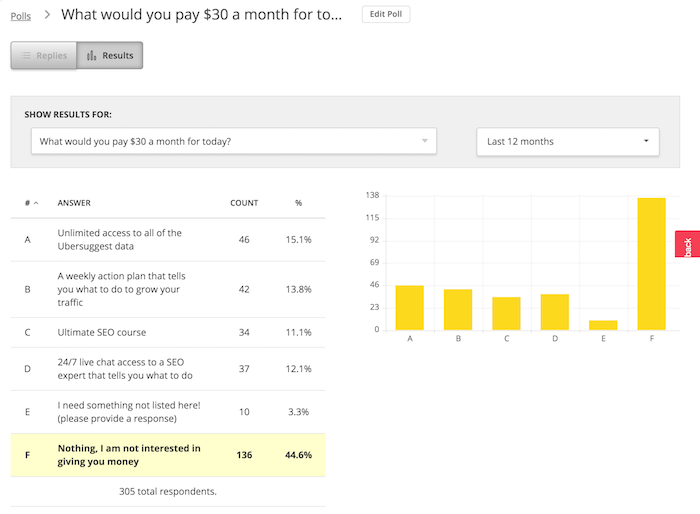
I’’ ve been running surveys for a while now, however if you are starting I would ask open-ended concerns like:
.What’’ s the greatest issue I can assist you fix? (This will provide you a concept on what your item requires to do) What’’ s your preferred marketing item and why?( You ’ ll wish to change the word ““ marketing ” with whatever market you remain in … this concern provides you a concept about who your competitors is and what they are doing right) Why did you come here today? (This will inform you why individuals concern your website and what they are trying to find) How can we make our item much better? (This is fantastic if you currently have an item up as you will get genuine feedback) What wear’’ t you like about COMPETITOR ABC?( Replace rival ABC with your competitors’’ s name … this concern informs you where there is a chance).
I desire you to pay unique attention to the last concern. It truly assists you recognize how you can distinguish yourself from the competitors.
Now, prior to you construct an item and go (or make yours much better if you currently have one), put on’’ t invest excessive money and time without getting feedback.
For example, if I were to include a brand-new function to Ubersuggest, I wouldn’’ t simply construct it. I would get it created, reveal you initially, get feedback, and after that change from there.
That method I won’’ t waste months ’ worth of time constructing an item you wear’’ t wish to utilize.
. Rate.
Price is easy, it describes just how much you charge for your item( or service).
.
And although it ’ s basic to’comprehend, it ’ s actually tough to come up with the ““ right ” cost. The one that doesn ’ t simply drive the most amount of sales however likewise drives one of the most earnings.
The genuine concern is, how do you wish to be viewed?
Amazon wishes to be the location where you can get the best-valued items from A to Z. And naturally, provided at a fast lane so it’’ s practical for you.
My pals’ ’ business, Imperia Caviar provides high-end caviar at low costs. He ’ s able to get the very same caviar that huge brand names charge countless dollars.
. 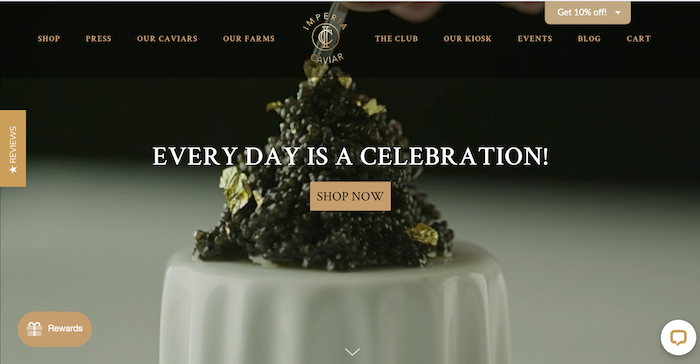
You would believe that by having a low-cost rate he is undervaluing his brand name, however rather, he is bringing openness to the marketplace and informing individuals on how caviar isn ’ t truly costly … it ’ s in fact simply a marketing tactic.
I take a comparable method to Ubersuggest. I wear’’ t believe marketing software application and education ought to be so costly. I provide a lot away for totally free or extremely cheap .
Do you believe that has lowered my brand name or injure it? Well, let’’ s take a look at the information:
. 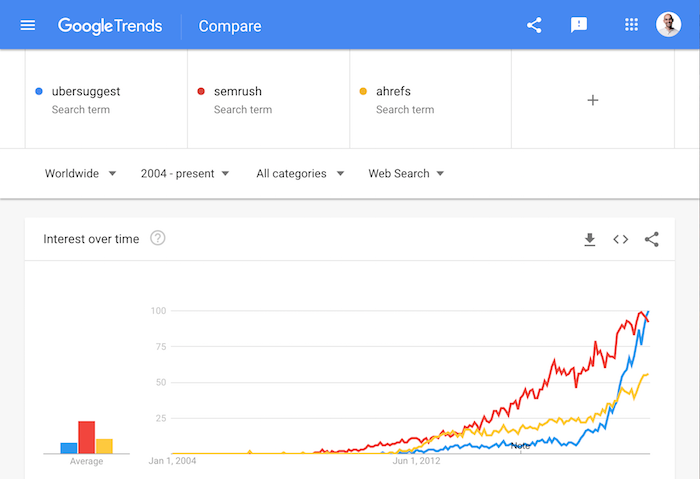
I think not.
.
But on the other side, would Ferrari beFerrari if their automobiles were offeringfor$ 10,000? Most likely not.
. How to choose the best rate for your item.
By no methods am I a prices professional soI wear ’ t wish to inform you what to price your item at. I will inform you to check out the Price Intelligently blog site . Those men understand to price like the back of their hand and they have lots of short articles that will teach you precisely how to price your item.
.
It ’ s crucial to consider rates, particularly if you remain in a congested area. My guideline is: If you remain in a brand-new area or currently a leader, you can charge a premium quantity.
.
On the other hand, if your area is saturated and you are late to the marketplace, you ’ ll wish to think about having a more affordable rate (if not the least expensive rate ).
.
Some concerns you ought to ask yourself are:
. What would be the most affordable rate you want to offer your product?What would be the greatest cost that customers would want topay?How conscious rate are your customers?What rates do present leaders in your specific niche charge?How does your cost compare to the competitors? Location.
“ Place ” is another word for place.
.
As they state in marketing, it ’ s everything about the … area, place, place.
. As soon as ran a tech conference in Los Angeles called Twiistup, #ppppp> I.
.’
It was a cool occasion with LA vibesand stars. I didn ’ t produce the occasion, I purchased it out years back.
.
But you understand what? It stopped working.
.
It wasn ’ t due to the fact that the occasion wasn ’ t great, it was more so that Imoved it to an awful area.
.
’I moved it from Santa Monica, which is the heart of the Los Angeles tech scene, to the valley, which is an hour drive from where all the tech business lie.
.
In other words … place, place, place.
.
You need to select a placewhere your clients are. Don ’ t anticipate them to come to you, you need togo to them.
. How to select the best’location.
The web is this virtual world. And although the area( location) might appear unimportant, it actually isn ’ t.
.
Just think about it in this manner … if I put my business all over Tiktok , what do you believe would occur?
.
Well, I wouldn ’ t produce any brand-new customers for my advertising agency’ due to the fact that none of my perfect consumers are on Tiktok.
. 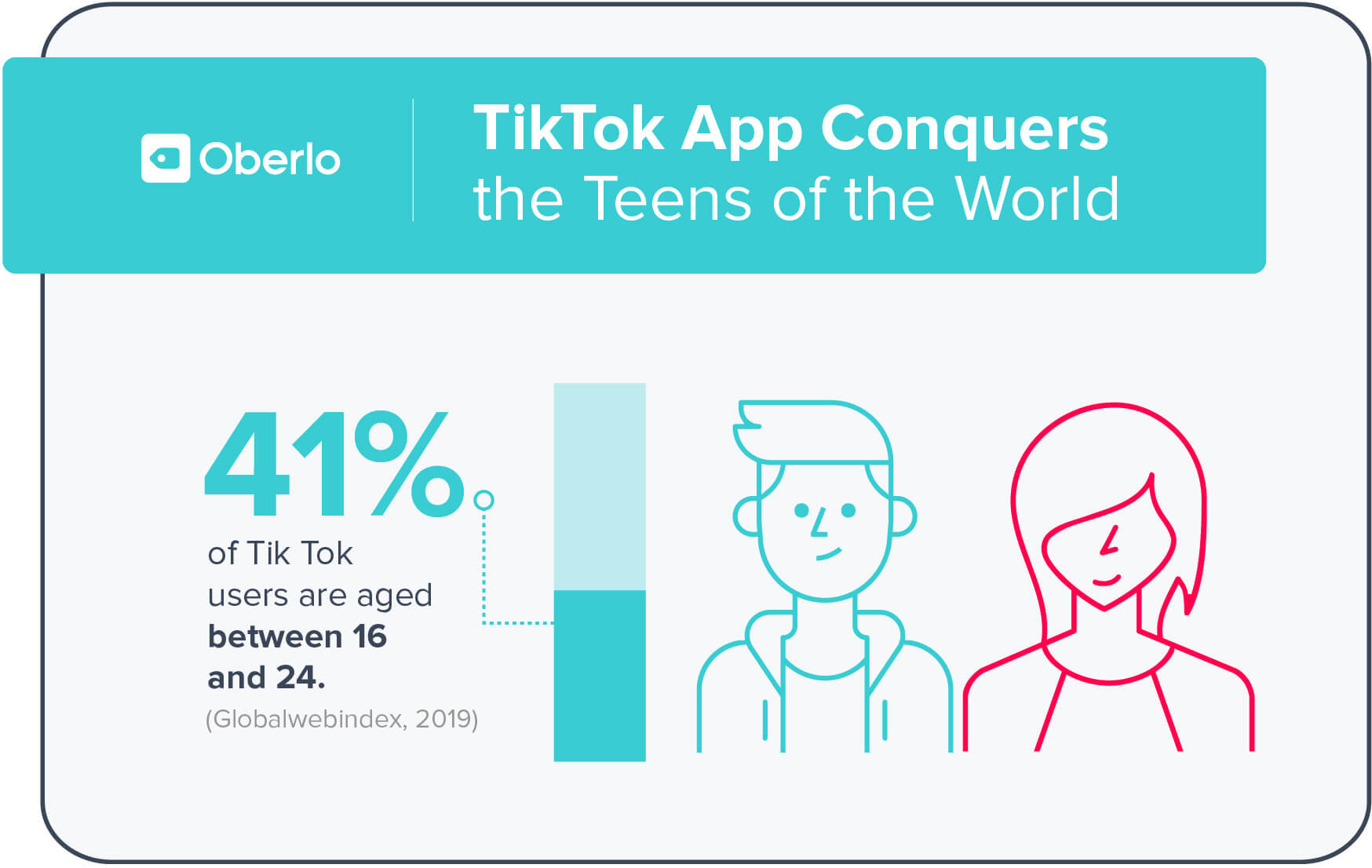
Do you believe a lot of 16 to 24-year-olds are searching for marketing services? Sure … however we put on ’ t deal that if we provided services where we assisted you get more social fans.
.
Think of the platforms and’locations your suitable clients are and exist.
.
That might be a particular website like Google and even an offline location like conferences. Don ’ t attempt to bring your clients to you, go to where your consumers hellip &are; it ’ s a lot easier.
.
Here are some easy concerns to ask yourself so you can discover the best location.
. Where is your customer?Which outlets (online and offline) offer your product?Which circulation channels are presently working for you?Do you offer straight to services or consumers?Do you offer straight to your end consumer or do you need to go through middlemen?Where are your rivals?
The client need to constantly be at the center of your choice, however it ’ s crucial to likewise consist of elements of the other Ps that we went over.
. Promo.
My preferred P … and the one I tend to blog about the most.
.
Promotion!
.
Once you ’ ve enhanced the previous 3 Ps, it ’ s time to promote your deal.
.
And to be clear, when I discuss promo I am not simply discussing getting your brand name out there … I am discussing producing earnings.
What’’ s the point of promo if you can’’ t drive sales?
But with all of the channels out there on the web, which ones do you begin with?
Well, I desire you to go here and put in your rival’’ s URL.
. 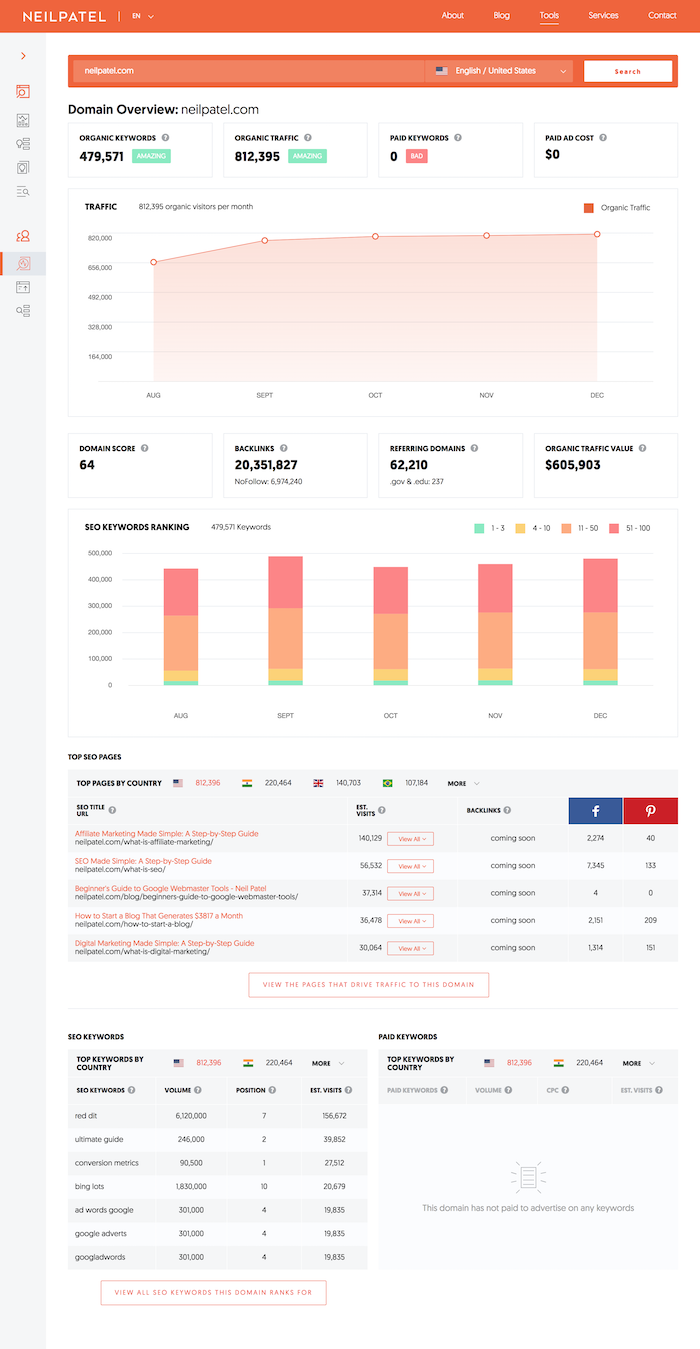
If they are huge, you ’ ll see information on just how much traffic they are producing … which keywords they rank for on Google … the websites that connect to them and discuss them … and even the number of social shares they are producing.
.
If they are little, you won ’ t see any information. You ’ ll need to put in a larger rival.
.
Another website that you must utilize is Similar Web . Put in your rival ’ s URL and you ’ ll see lots of information on how they promote themselves.

What’’ s cool about the web today, versus when I initially entered internet marketing, is that there are lots of tools that make your life simple. Utilize them to your benefit.
.How do you promote well?
I desire you to start by asking yourself the following concerns:
.Which channels does your audience utilize the most to take in information?What sort of message tends to be more efficient when promoting your solutions?What is the perfect duration for promoting your product?Is there any issue about seasonality?How do your rivals bring and prepare out their promo?
Again, you can utilize the tools I pointed out above to get a dive start. Another thing I would extremely advise is that you take a look at Facebook’’ s advertisement library
. 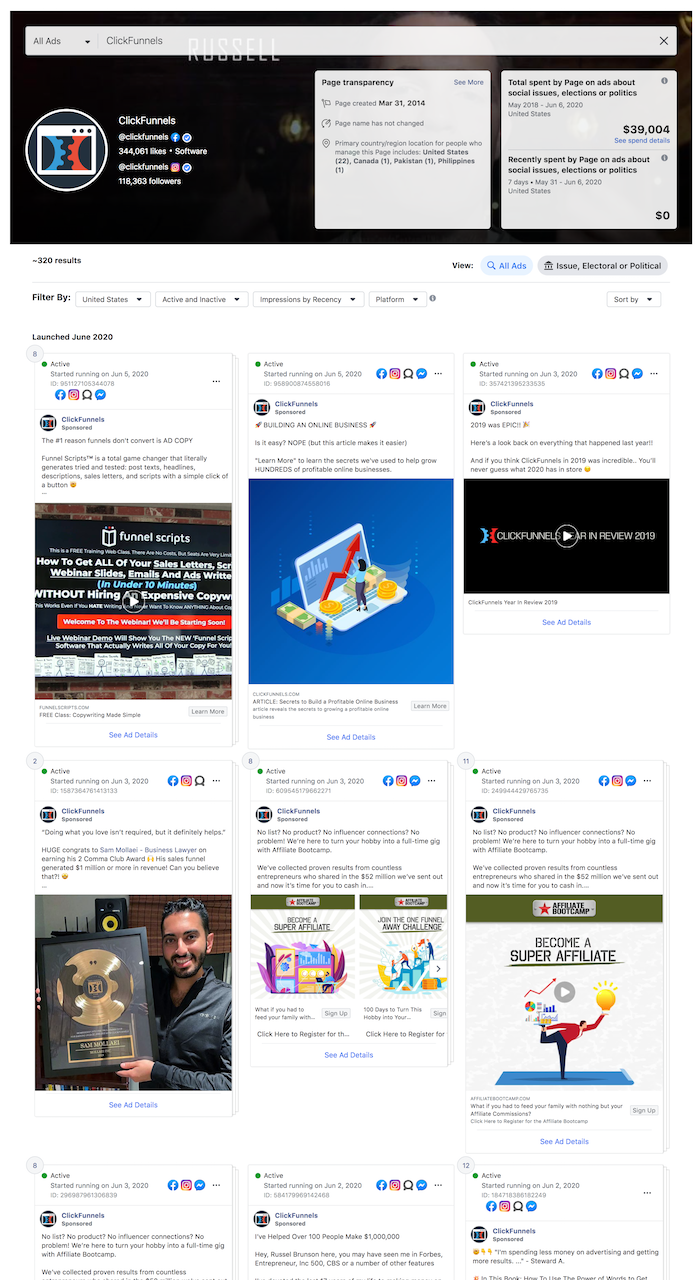
It will reveal you the advertisements that your competitors runs and, more notably, the messaging that they utilize.
.
Now, I won ’ t bore you to death about promo suggestions as I currently have lots of post on that. I would begin off with these:
. Online marketing SEO Social media Google advertisements Facebook advertisements Affiliate marketing Content marketing Email Conclusion.
The 4 Ps of marketing might appear uninteresting, however they are necessary.
.
Without them, how are you going to separate yourself from the competitors? It actually is essential to stand apart.
.
No one looks after another me-too business.All of us desire something special, unique … something we resonate with.
.
And how do you get that? You utilize the 4 Ps.
How are you leveraging the 4 Ps of marketing?
.
The post The 4 Ps of Marketing: A Step-by-Step Guide( With Examples) appeared initially on Neil Patel .
.
Read more: feedproxy.google.com

It’’ s been approximately a month now considering that the Coronavirus began to turn our lives upside down.
From needing to practice social distancing and getting utilized to life without the outdoors to continuously cleaning our hands and seeing and using masks enjoyed buddies and ones getting ill, the Coronavirus is something none people anticipated.
Even our companies are suffering. Simply take a look at the Coronavirus marketing statistics I shared a couple of weeks back. The outcomes are ravaging.
It’’ s why I chose to modification Ubersuggest and make it more complimentary to assist small companies out.
. When it comes to your online business service marketing activities, #ppppp> Since then a lot has actually altered and there arenew brand-new chances have actually around.
. Chance # 1: Help others selflessly.
My advertising agency has countless customers around the globe. We lost a lot, however we still have enough to see patterns in what ’ s occurring.
.
When I saw companies beginning to lose a great deal of cash, I chose to offer more of Ubersuggest ’ s premium functions free of charge. That implies it would take me a lot longer to recover cost, however that isn ’ t something I am anxious about today.
.
Take take a look at the image listed below … you ’ ll see something intriguing.
. 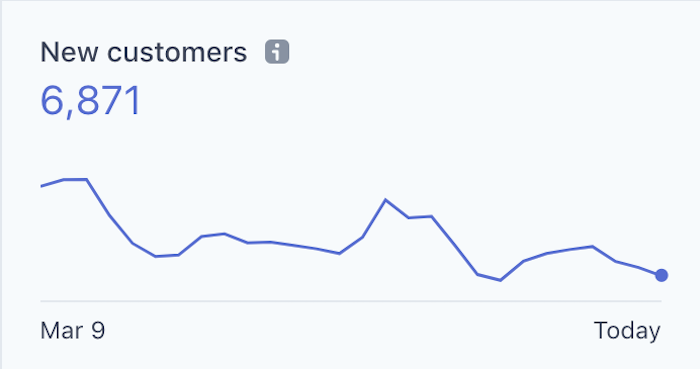
The chart breaks down the number of free-trial signups Ubersuggest has actually gotten throughout the previous month.
.
Keep in mind, brand-new consumers indicates totally free trials … a big part of free-trial users doesn ’ t transform into paying clients however still, the more trials you get in theory, the more’paid consumers you will ultimately get.
.
As you can see, the chart is decreasing. That ’ s since I opened more of Ubersuggest ’ s paid functions and’made them complimentary.
. 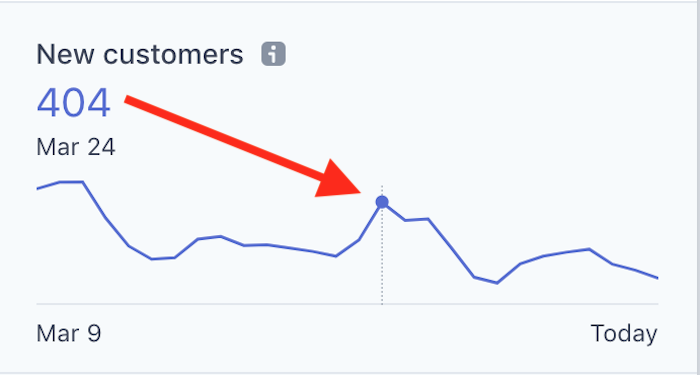
What ’ s fascinating is you( and other neighborhood members) assisted’support me.
.
The minute I blogged about more functions being opened up for totally free, a number of you chose to acquire a paid membership.
.
I got lots of e-mails from the marketing neighborhood thanking me and letting me understand that they value whatever that I was doing AND they bought a paid strategy to assist me out.
.
Now approved, in basic signups are down, however that ’ s what occurs when you choose to distribute more free of charge. I didn ’ t do it since I am’attempting to take advantage of Coronavirus or look excellent, rather, I am simply attempting to assist individuals out much like I ’ ve been fortunate enough to have actually had individuals assist me out throughout my times of requirement.
.
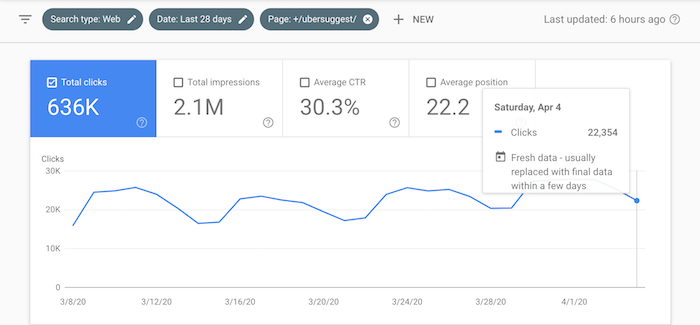
But here is what ’ s fascinating … my traffic began to increase on Ubersuggest the minute I informed everybody that I am offering more away totally free.
. 
I ’ m not the only one who experienced this.
.
Eric Siu chose to hand out a course that teaches individuals how to begin a marketing firm free of charge( he typically charges$ 1,497) and a bit more than 250 individuals have actually taken Eric up on his deal.
. 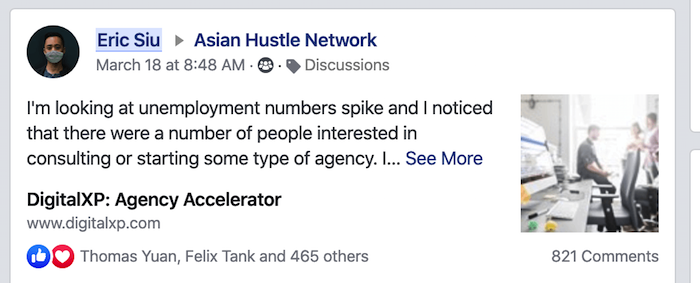
This has actually led Eric to get more social networks fans and it ’ s provided him a chance to do a webinar about his product/services toa brand-new audience of 50,000 individuals.
.
Similar to me, Eric wasn ’ t attempting to do this to get anything, he is simply attempting to assist individuals out.
.
I likewise understand somebody in the health area who did something comparable and a single person in the work area.
They all saw the indirect advantages of assisting individuals out.
.
In all cases that I have actually seen, the outcome is more traffic.
.
With your site and company, consider what you can distribute free of charge. Anything you can do to assist individuals out is valued, particularly throughout this hard time. You ’ ll likewise discover that it will drive you more visitors, which is a good indirect advantage.
. Chance # 2: Paid advertisements are truly, truly inexpensive.
The newest pattern we are seeing is that paid advertisements are ending up being less expensive.
. Since the method these huge advertisement networks make cash is through an auction system, #ppppp> It makes sense. They require small companies to increase the expense per click( CPC )for advertisements so that method the huge, billion-dollar corporations need to invest more cash on advertisements.
.
If you put on ’ t have as lots of small companies marketing (like we are experiencing now )there isn ’ t as much competitors for the stock, so the expense per click decline.
But the infection has actually been triggering us to invest more time online , a lot so that businesslike Netflix have actually needed to decrease their streaming quality to assist .
.
In other words, traffic on the internet is up and there are less marketers. This suggests advertisements are less expensive.
.
Now we are likewise seeing conversions rates dropping in particular markets, however no place near at the exact same rate as the CPCs.
.
When we balance things out per market and worldwide, we are seeing paid advertisements producing a much greater ROI than prior to the Coronavirus hit. Simply take a look at the chart below.
. 
Our customers, in basic, have actually seen their ROI go from 31% to 53%. That ’ s a 71 %boost in ROI.
.
If you sanctuary ’ t attempted paid advertisements yet, you ought to consider it. Think about ramping up as there is more excess stock than there has actually been in years if you do.
. Chance # 3: Conversions are down, however there ’ s an option.
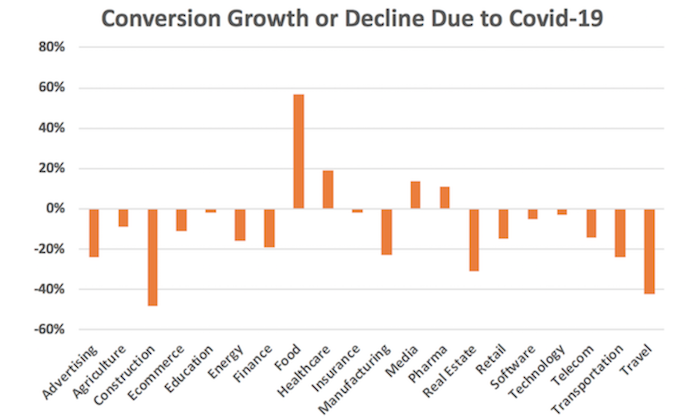
For lots of markets, conversion rates are down. Here ’ s a fast picture of what it appeared like right after the very first huge week in the United States.
. 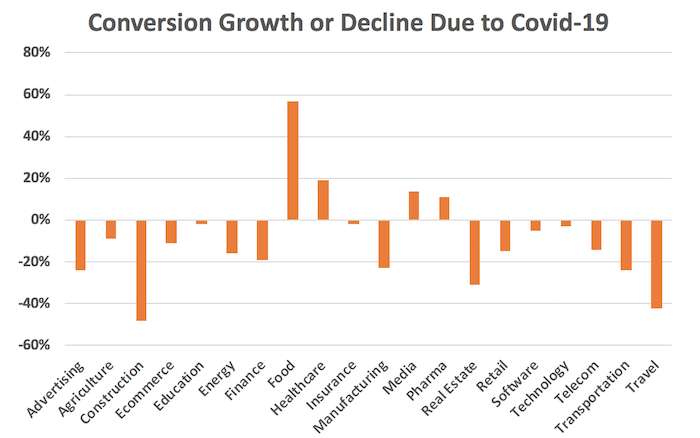
Since then, things have actually altered. For some markets, it has actually improved, however for others like travel, it ’ s still horrible and will be for a while. Delta Airlines is presently burning$ 60 million a day .
.
But we discovered an option that has actually increased conversion rates by 12 %typically.
.
If you are a shop selling something online, think about using payment strategies through services like Affirm .

Payment strategies decrease the monetary problem your consumers will deal with in the brief run.
.
And you wear ’ t need to be an e-commerce business to take advantage of payment strategies. You can accept cash over a duration of a year if you are offering speaking with services.
.
If you are offering ebooks or digital courses, you can’likewise have a regular monthly time payment plan.
.
When I offered digital items on NeilPatel.com, I discovered that approximately 19% of individuals chose in for my payment strategy.
.
It ’ s a simple method to improve your conversion rates, particularly in a time where many individuals are aiming to minimize their money invest in the short-term.
. Chance # 4: Offer academic based training.
If you are searching for a great chance, think about offering your audience academic based courses.
.
With joblessness numbers reaching all-time highs , more individuals than ever are trying to find brand-new chances.
.
Many of these chances remain in fields like state-of-the-art that not everybody has experience in.
.
And, obviously, returning to school can be pricey and is lengthy. Plus, let ’ s face it … you can most likely discover more appropriate understanding on YouTube than being in a college class for 4 years(a minimum of for a lot of occupations).
.
So, where do individuals go to discover? Any online education’site using extremely particular, specific niche guidance and courses.
.
Whether that is Udemy or you are offering your own courses, individuals are searching for assistance.
.
If you put on ’ t understand how to offer online courses in mass amount, follow this . I simplify action by action and even offer you the design templates you require tosucceed. It ’ s the exact same ones I utilized to reach over$ 381,722 a month in sales.
. Chance # 5: Geography diversity.
COVID-19 is an international problem. It is impacting some nations even worse than others.’
.
For example, South Korea has actually had much better luckmanaging the spread of the infection compared tolots of other nations.
.
And nations like the United States and Italy have actually blown up in everyday cases.
.
With over 84,000 brand-new cases aday and growing rapidly, the spread of the infection or the downturn of the infection can impact your traffic significantly.
.
For that factor, you ought to think about diversifying the areas you get your traffic from.
.
Through worldwide SEO , you can rapidly get more traffic and be less reliant on one nation ’ s economy.
.
For example, here is my traffic swing for my SEO traffic in the United States over the last couple of months.
. 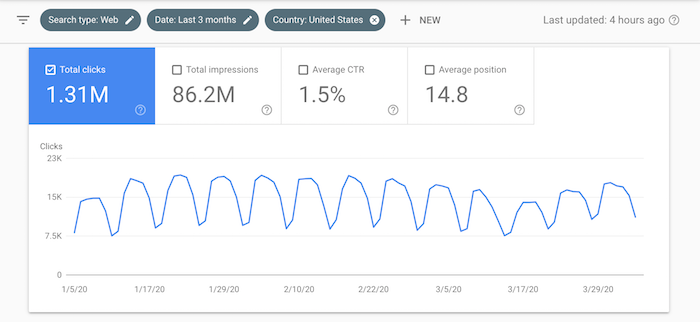
The United States traffic is gradually beginning to climb up back. It ’ s still not back to where it was throughout my all-time highs, however it ’ s not as low as when the Coronavirus initially struck the United States.
.
On the other hand, our traffic in Brazil has actually been skyrocketing.
. 
We sanctuary ’ t altered our technique, it ’ s not algorithm associated … we sanctuary ’ t produced more content than typical … we ’ ve simply seen a boost.
.
We are likewise beginning to see a great boost in India.
. 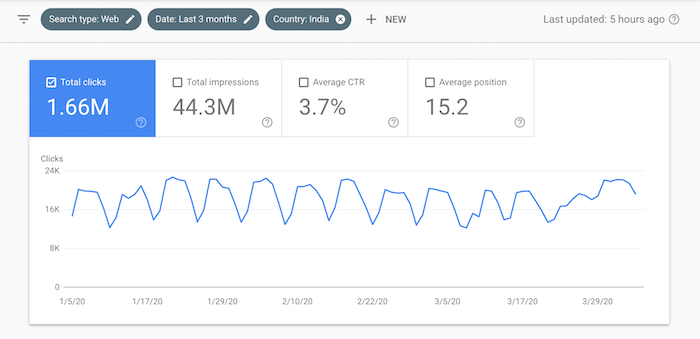
By equating’your material for other areas and leveraging global SEO, you can rapidly grow your traffic.
Sure, it might take 6 months to a year to begin seeing lead to the United States, however that isn ’ t the case with areas like Brazil where there isn ’ t as much competitors.
.
If you wish to accomplish comparable outcomes to me, follow my worldwide SEO method . It works well … simply take a look at the images above.
. Conclusion.
Sadly, the next couple of months are going to get even worse. The day-to-day count of brand-new Coronavirus victims is growing.
.
From an individual perspective, all you can do is remain inside your home and practice social distancing.
But from a profession, organisation, and marketing viewpoint, you can make a modification.
.
You ought to have more time now( regretfully), so utilize it to your benefit. Put in the effort so you can grow, that method you ’ ll come out of the Coronavirus more powerful.
.
So which one of the above chances areyou going to implementInitially
.
The post How to Adapt Your Marketing During the Coronavirus( COVID-19) appeared initially on Neil Patel .
.
Read more: feedproxy.google.com

, #ppppp> In your profession, in your organisation, in your relationships—– all right, perhaps not that last one, unless marketing abilities are truly crucial to your relationships … Would you do it? See, here’’ s the important things. It doesn ’ t matter what task you have or what type of organisation you run. There is one ability that will assist you with all of them. Marketing. Marketing is the connection in between a service and their clients. It’’ s the factor individuals fall for brand names like RXBAR, a protein bar business with such a fanbase that it offered to Kellogg for $600 million or Native, a natural antiperspirant business with numerous consumers ready to pay $12 per antiperspirant stick that it offered to Procter &&Gamble for $100 million . But chances are, the LAST thing you wish to do today is drop whatever and enlist in a marketing degree. And truthfully, you wear’’ t requirement to. . See, degree programs and college classes have a couple of significant failures when it concerns finding out marketing. .You’’ re listening to a single person ’ s recommendations, not the recommendations of a number of market leadersYou put on’’ t have time for hands on experience, simply studying for your next testBy the time you’’ ve finished, whatever’you ’ ve discovered is obsolete. The marketing world is moving too quick for you to not be listening to marketing leaders, practicing your brand-new abilities, and utilizing whatever you’’ re discovering today prior to the next innovation wave alters the market. This is why accreditations can take your marketing abilities to the next level. Here’’ s why online accreditations are a much better option to standard marketing degree programs and college classes. .Why Online Marketing Certifications are Better # 1: You’’ ll be discovering what methods to utilize in marketing today.When the needed book was released, #ppppp> Not what worked. Marketing is moving quickly. A couple of years back, no one was discussing chatbots and today—– practically every start-up is finding out how to make it possible for chatbots on their site. What was taught in marketing 2 years ago isn’’ t almost as pertinent as it was. While some marketing structures are classic, like the client worth journey , not whatever ages. Spending a whole term discovering how to utilize paid advertisements on Facebook isn’’ t efficient if Facebook modifications their policy the day after you hand in your last test. Being current in marketing is important to leveling up your marketing abilities. .# 2: You’’ ll hear guidance from market leaders on the techniques that are presently driving traffic and conversions for them. What’’ s much better than having leading online marketers reveal you their e-mail design templates, copy techniques, and paid advertisements settings? Not much. What we enjoy about being DigitalMarketer is that we’’ re able to lead by example. We’’ re going to inform you about the e-mail design template that we utilized to drive $100,000+ in sales. We’’ re going to bring in a copywriting professional to reveal you precisely what to put in that e-mail design template so you can get conversions too. And, you thought it—– later on we’’ ll have among the leading paid advertisement professionals reveal you precisely how to set your advertisements as much as drive the traffic that will become those e-mail customers. Learning from market leaders (who are presently carrying out and developing on digital marketing techniques ) resembles having a fireside chat with your coaches where they spill all of their tricks. In this case, their tricks are within the accreditation that will level up your marketing capability. .# 3: You’’ ll have the ability to use that understanding right away. What’’ s much better than costs 12 hours studying for a last examination? Spending 12 hours practicing your brand-new marketing abilities in the real life. Online marketing accreditations teach you what methods to utilize today, how market leaders are utilizing them, and after that offer you the flexibility to practice these techniques. They wear’’ t minimize the quantity of time you need to craft yourself into a professional online marketer by requiring you to study for a 2 hour long examination. That’’ s not efficient and as an online marketer you ’ ll find out performance is whatever. Why not practice what you’’ re knowing, as you ’ re discovering it? . The appeal of the Internet today is that you’’ re able to discover copywriting methods, and after that use them on your social media and own short articles posts to see how they transform. Practice makes ideal as an online marketer and the quicker you can begin, the much faster you’’ ll end up being a terrific online marketer. . . # 4: You can do your internet marketing accreditation at your own rate. If you ’ re developing your marketing ability as a side hustle– There’’ s a lot that enters into marketing, from finding out the essentials of SEO, to the psychological triggers that drive e-mail click-through rates , to retargeting. No one anticipates you to cut all ties with the outdoors world, discover a collapse the middle of no place and not come out up until you’’ ve end up being a master at each and every single element of marketing. Your life can continue while you’’ re ending up being a marketer. Online marketing accreditations suit your present life. You can end up each accreditation by yourself time, stopping briefly when you need to concentrate on household or work, and hopping right back in when you’’ re prepared to continue. .What Makes a Good Marketing Certification. All marketing accreditations are not made equivalent. If you’’ re investing in a marketing accreditation, you wish to make certain that it’’ s going to provide you an ROI. . Ask yourself these 3 concerns about the internet marketing accreditation that you’’ re thinking about and make certain the response to each concern is a positive, ““ Yes.” . Concern # 1: Is the trainer active in their field? Remember, marketing is altering quickly. While somebody might have been the very best ecommerce online marketer 2 years earlier, if they’’ re not actively marketing ecommerce items TODAY, their techniques are going to be obsoleted. While some basics are still going to matter, you’’ ll wind up spending for info that isn’’ t appropriate today. . That isn ’ t going to provide you an ROI. .Concern # 2: Has the material in the accreditation been upgraded just recently? Let’’ s state the internet marketing accreditation that you ’ re thinking about passes the very first test, the trainer is presently working as an online marketer. Now, you require to make certain the material in this accreditation has actually been upgraded just recently. Some internet marketing accreditations have actually been around for a couple of years. While the marketing methods worked terrific in the past, these techniques aren’’ t going to pertain to you now. Even if the online marketer is working full-time today, if they’’ re not discussing what’’ s working for them TODAY, then you’’ re not getting helpful info. .Concern # 3: Is there a test to display your know-how? You may have read this response and idea, ““ ewwww. ” We understand the sensation—– does anyone in fact like taking tests? The factor you require a test in your internet marketing accreditation is that without it, there’’ s no trustworthiness around the accreditation. Somebody might purchase the accreditation, never ever view a single video or check out any of the material and after that state they’’ re a recognized online marketer. Would you wish to employ this online marketer for your company? No. And you put on’’ t wish to be that online marketer either. . You wish to be the online marketer that shows their understanding. By having a test at the end of your accreditation, you’’ ll show your marketing understanding since if you didn’’ t have this understanding, you wouldn’’ t have actually had the ability to get the accreditation. . Sometimes tests are an advantage. Often. .How Will Marketing Certifications ACTUALLY Help? Online marketing accreditations are much better than degree programs and college classes due to the fact that they are current, led by knowledgeable specialists presently performing marketing methods, and provide you the time flexibility to be able to begin practicing your abilities right away. Once you’’ ve discovered the internet marketing accreditation you’’ re thinking about, you might discover yourself hovering over the Buy button questioning—– is this really going to assist me? And that’’ s why you wish to ensure you can with confidence respond to yes on the above 3 concerns, due to the fact that if you can your marketing accreditation WILL in fact assist. Your internet marketing accreditation will: .Train you in vital marketing tactics/disciplinesKeep you up-to-date on the most recent in marketingBuild your resume out to impress any potential company OR client/customerGive you brand-new abilities and enhance your abilitiesMake you a much better online marketer. If you’’ re aiming to end up being a licensed online marketer, DigitalMarketer provides accreditations and masterclasses from market leaders on material marketing, paid traffic, social networks, and more. Our instructors are active online marketers, our material is upgraded frequently, and each accreditation ends with a test to display your know-how. The post How Marketing Certifications Will Level You Up appeared initially on DigitalMarketer . Read more: digitalmarketer.com

 .